


Ancona is an Italian town of 98 355 inhabitants, capital of the homonymous province and of the Marche; It is one of the main economic centres of the region, as well as its main urban centre in size and population. Overlooking the Adriatic Sea, it stands on a promontory in the shape of a bent elbow, which gives rise to a gulf and protects the large natural harbour, among the largest in Italy for international passenger traffic. The port docks are surrounded by the hills on which the historic districts stand.
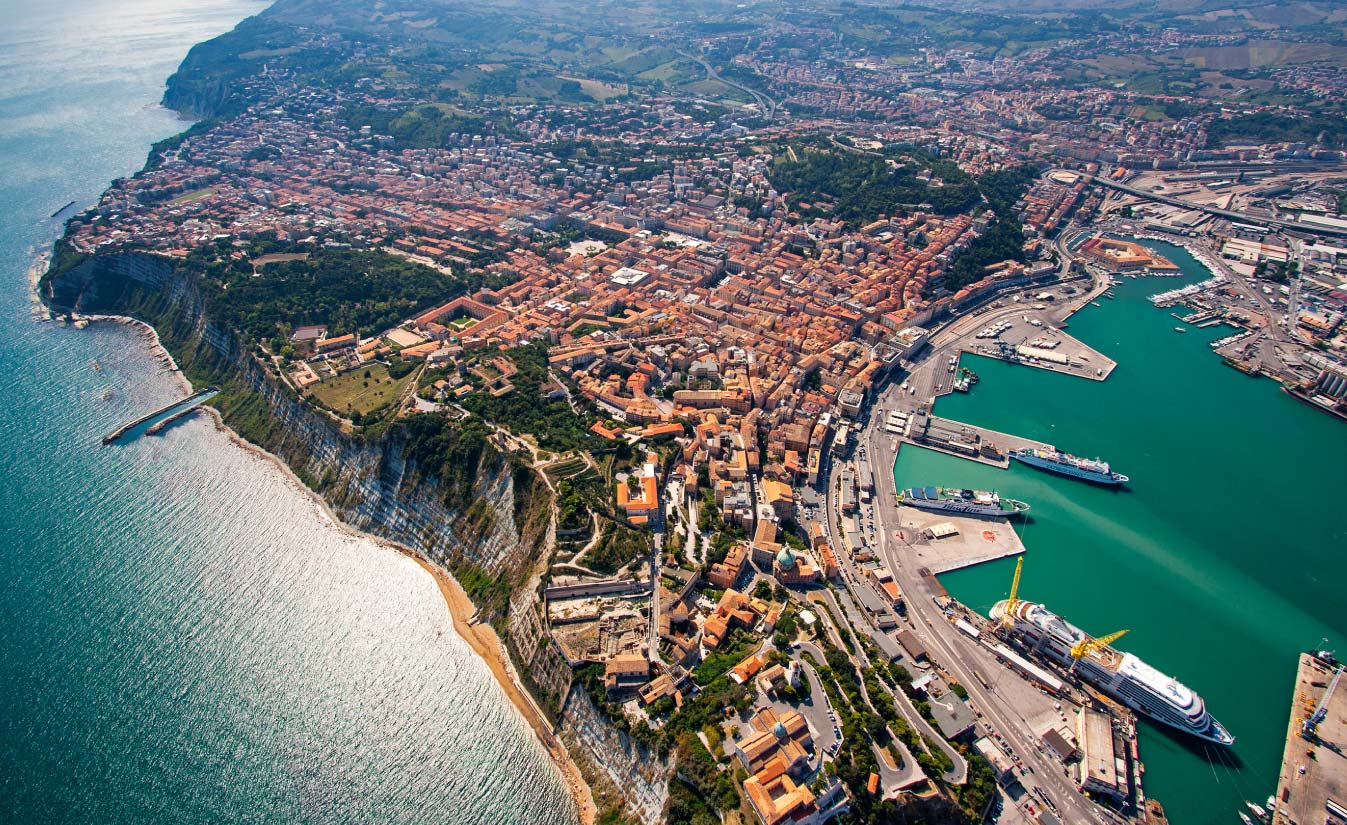
The history of the city is linked to port and navigation activities since 387 BC when it became a Greek colony of Syracuse, in contact with the main centres of the Mediterranean east. In Roman times, under the emperor Trajan played the role of entry of Italy from the ports of the East, as we read in the inscription of the Arch of Trajan. In the Middle Ages it lived its golden age, both artistically and economically, when it was a flourishing maritime republic and earned the nickname of "gateway to the East". From 1532 until the Unification of Italy it was part of the Papal States. In the Risorgimento he actively participated in the struggles for the Unification of Italy, during the First War of Independence. During World War II the city was liberated from Nazi occupation by troops of the Polish II Corps.
The city extends over numerous hills, overlooking the sea in the eastern sector of the promontory. The high cost of the city is part of the Conero Riviera and falls within the Conero Park.
More information you can visit: Ancona Tourism: we tell Ancona through its beauties
Passetto Caves
The Passetto caves are, most likely, the place that most of all is dear to the people of Ancona. They are unique and characteristic buildings and are located along the part of the city coast that in Ancona is considered a second home.
At the bottom of the steps of the War Memorial, to welcome you, overlooking the sea, there are the Grotte del Passetto. There are over 500 caves that start from the Passetto and extend along the coast and represent a rare example of spontaneous architecture harmoniously inserted in a natural environment.
The caves were dug into the rock in the period from the mid-nineteenth century to the sixties, originally they were used as a shelter for boats for small fishing, mainly spears and batanas. Their visitors, especially the historical ones, are called 'grottaroli'.
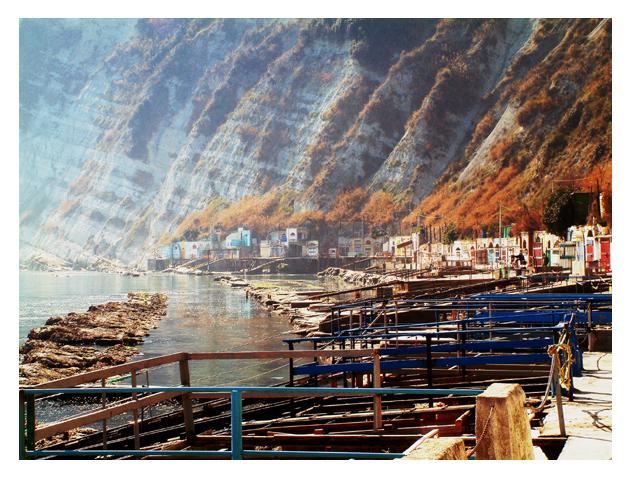
The colourful gates, the ports for boats, the fishing equipment make the whole very suggestive. Of this magical place is also characteristic the use of materials almost always recycled: railway sleepers used as support to the slipways, tiles of various types and colours used for flooring, furnishings discarded from town houses and then repainted and adapted.
The 'grottaroli' spend the day at the beach, on the shore or in the cool inside the caves (all with the colorful and unique wooden door) dividing themselves between a lunch cooked strictly based on fresh fish, often caught by them, and a game of cards with the cave neighbours.
The coast is mainly rocky with the possibility of diving, in a blue and clear Adriatic Sea, from a thousand small different ledges. There is also an artificial beach complete with all services.
In the evening, especially in the warmer summer months, the caves offer a small light show because they are inhabited by their tenants even after sunset.
The Passetto caves constitute an immense cultural and environmental heritage and the fishermen and the 'grottaroli' represent its most authentic soul.
Old Port
The Dorians, who in 387 BC founded the city of Ancona, stopped in this place for the possibilities that the natural harbour offered. The coast in fact forms an elbow, hence the name Ancona (Ankon, in Greek elbow), which offers a natural shelter from the sea. But already in the third century BC the gulf was used by the Piceni for trade with the Greeks.
It has been brought to light thanks to excavations conducted between 1998 and 2001, attesting to its continuous use of the area from the late Republican era until the fifth century AD.
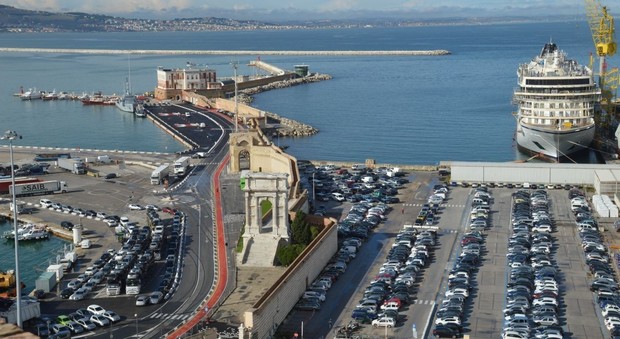
At the entrance of the walkway, on the side facing the city, you can see a stretch of the walls to protect the port built in the second century BC when Ancona became the base of the Roman fleet for patrolling the Adriatic during the Illyrian wars, and the city was equipped with a circle of walls, of which large stretches in sandstone blocks have been brought to light in the area of the Lungomare Vanvitelli.
On the left is the so-called House of the Captain of the Port in medieval style of the thirteenth century, miraculously survived the bombings of 1943. In the front towards the sea two large pointed stone arches frame a precious floral frieze of the Romanesque period that, starting from the open mouth of a fair, runs along the entire perimeter of the structure.
For further information, we advise you to consult the dedicated website Buon Vento.